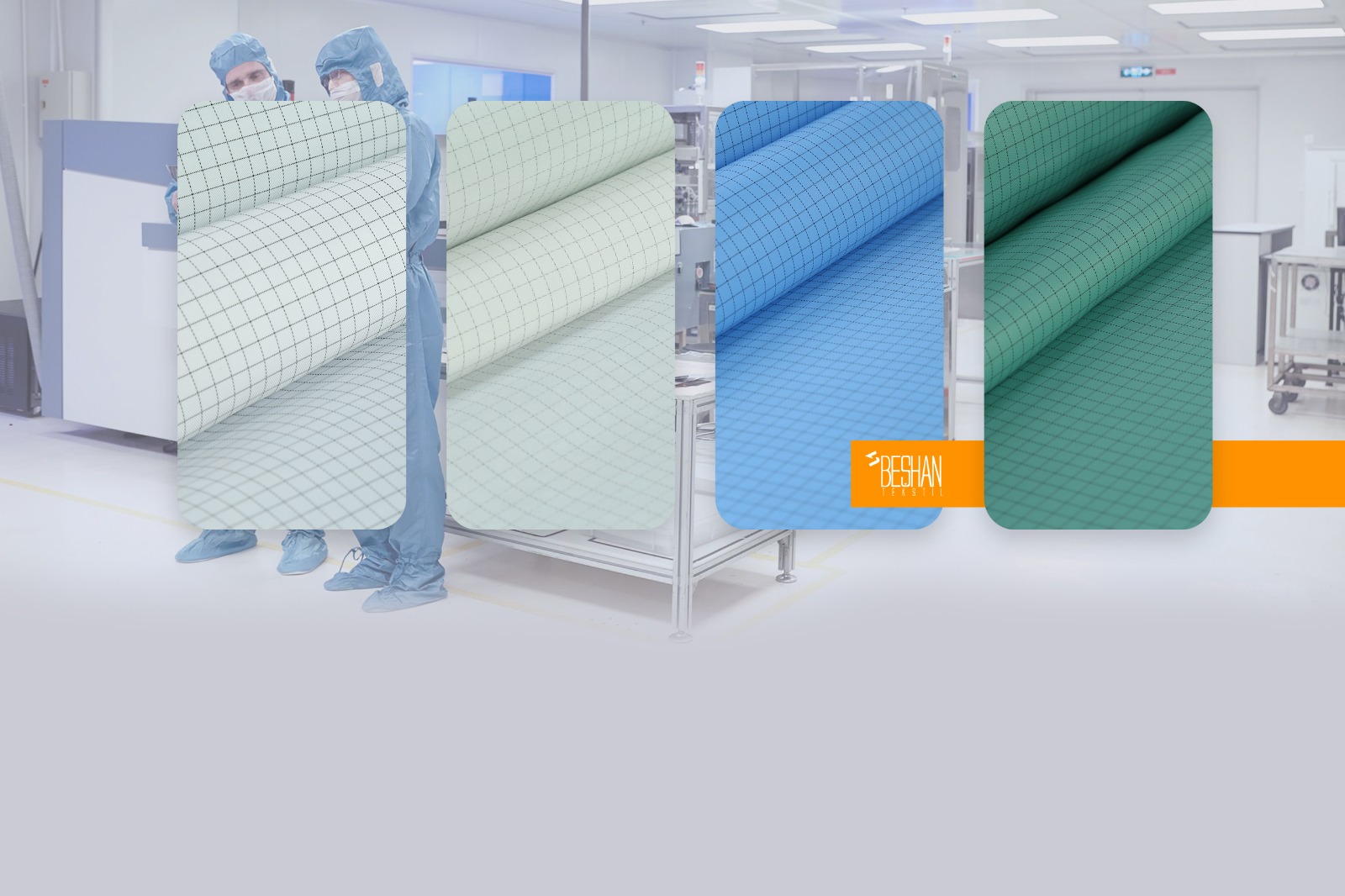

WHAT IS ANTISTATIC FABRIC?
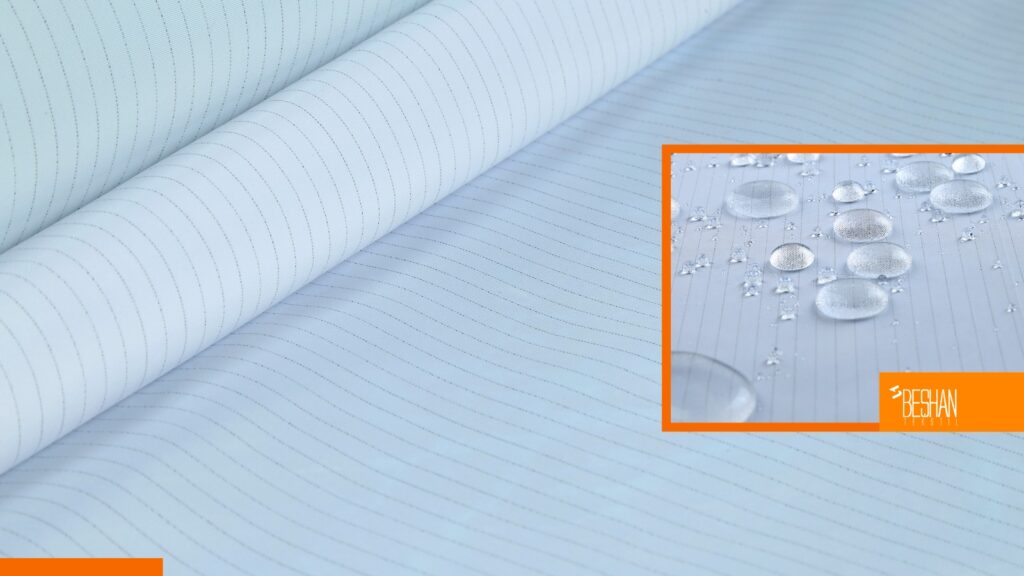
Antistatic materials do not generate static electricity and can prevent damage caused by explosions in hazardous environments. People can carry thousands of volts without realizing it, potentially causing explosions in at-risk environments.
Antistatic fabrics have a surface resistance in the range of 106 – 1012 ohm. According to the EN 1149 standard, a fabric must have surface resistance values of 106 – 109 ohm to be considered antistatic.
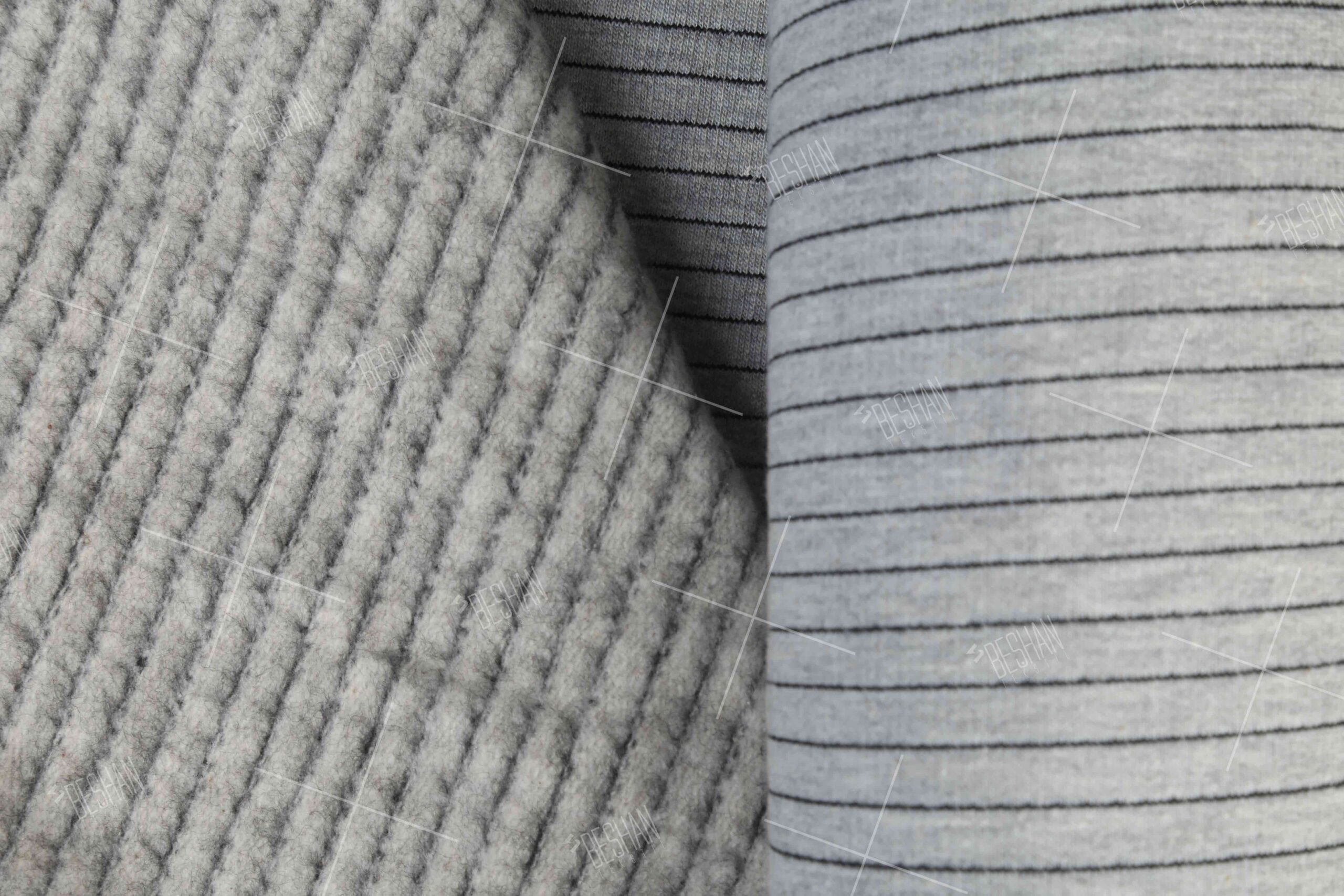
Thanks to the carbon yarns we use in our fabrics, we maintain surface resistance within this range, providing slow discharge properties unlike conductors.
What Do We Produce?
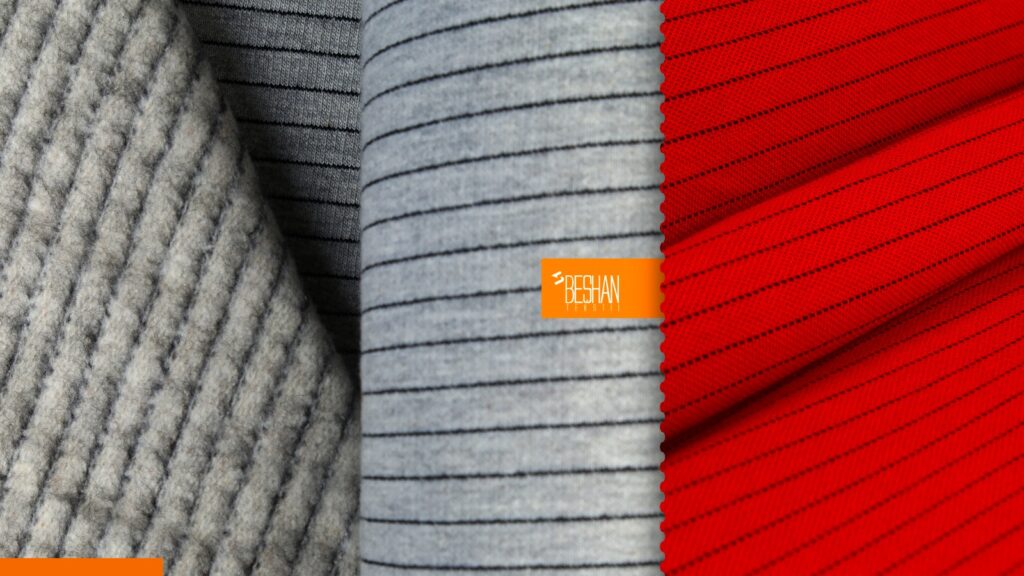
* Antistatic-ESD fabrics, Antistatic woven fabrics, Antistatic knitted fabrics (Antistatic pique, Antistatic interlock, Antistatic two-thread, Antistatic rib, collar) compliant with EN1149 standards.
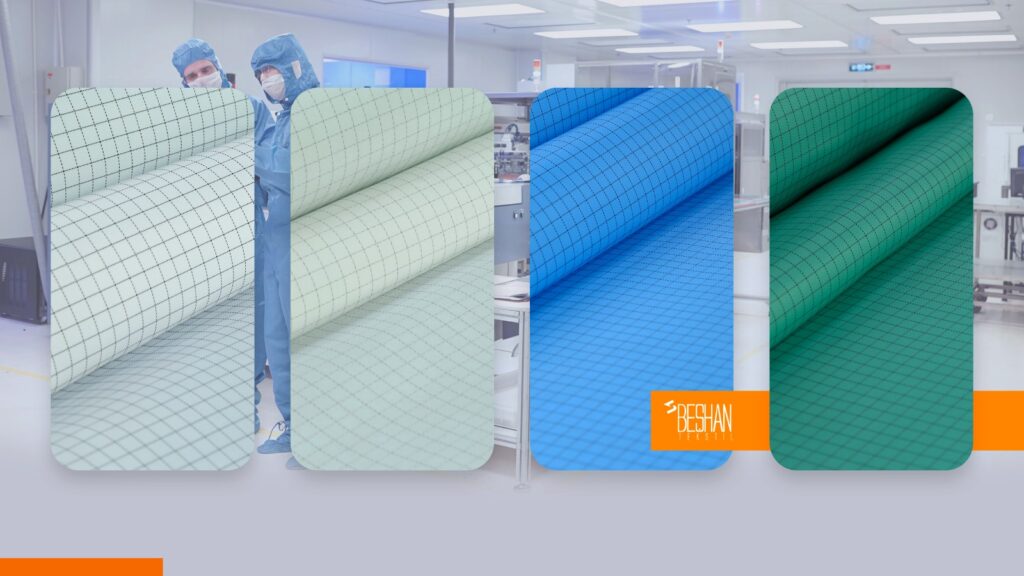
* Antistatic Cleanroom fabrics
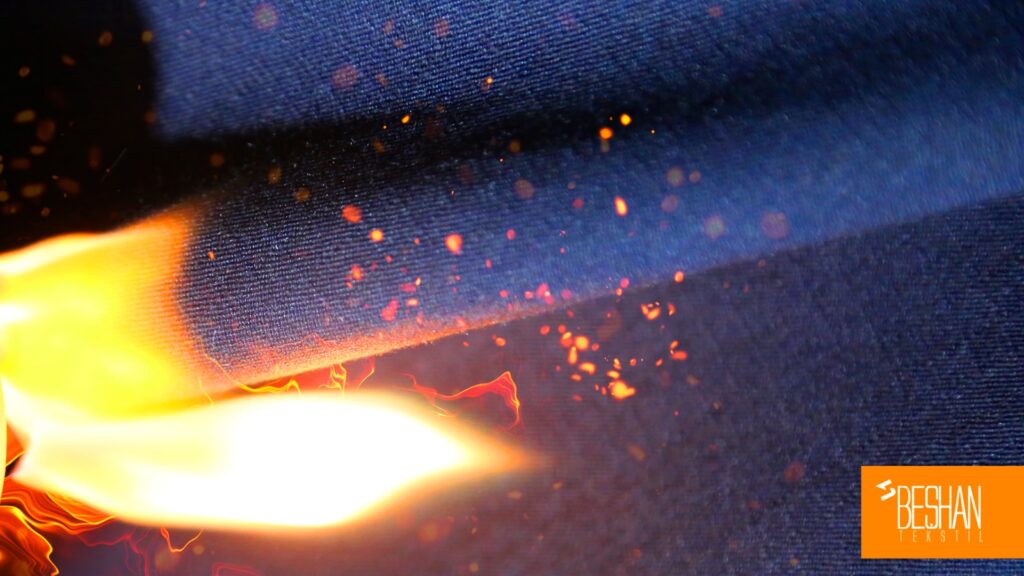
* Flame-retardant – Antistatic fabrics. Permanent flame-retardant fabrics compliant with EN 11612, EN 11611 and EN 1149 standards.
* Surgical Gown fabrics. Reusable Antistatic, Antibacterial, Liquid-proof fabrics compliant with EN 13795-1 standard.
* Antistatic – Liquid chemical repellent fabrics suitable for EN 13034 : 2005 +A1 :2009 Type6, breathable – liquid-proof – antistatic fabrics.